Designer Profiles
Museum plaques and long-form essays on the couturiers, tailors, and provocateurs who shaped the twentieth-century silhouette.

Gabrielle "Coco" Chanel
The milliner from Saumur who replaced the corset with jersey, the waist with a straight line, and the twentieth-century woman with herself.

Christian Dior
Granville, 1905. An art dealer, a cartoonist, a couturier; the man who rebuked wartime rationing with a twenty-metre skirt and reopened Paris to the world.

Yves Saint Laurent
Oran, 1936. The couturier who introduced the tuxedo to women’s wardrobes and ready-to-wear to Parisian couture.

Dame Vivienne Westwood
A former schoolteacher from Derbyshire who introduced the safety pin as a design element and then, in late career, brought back the Victorian corset.
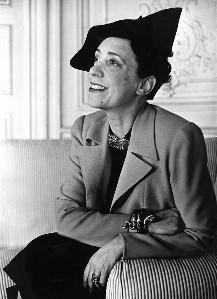
Elsa Schiaparelli
The Roman aristocrat who introduced surrealism to couture, zippers to evening wear, and shocking pink to the human eye.

Virgil Abloh
A civil engineer from Rockford, Illinois, who became the first Black artistic director of a European menswear house and, in a career of just twelve years, recoded the language of luxury.
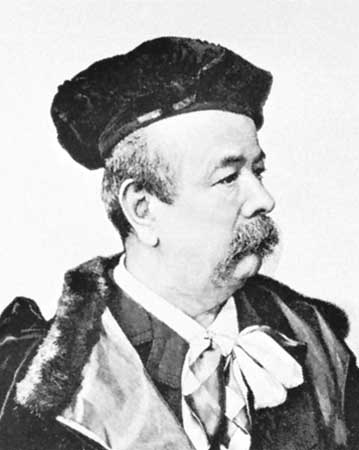
Charles Frederick Worth
The Englishman in Paris who, in 1858, invented the modern couture house: signed labels, seasonal collections, live mannequins, and the designer as author.

Paul Poiret
The Parisian who freed the female torso from the corset before Chanel did, and dressed the 1910s in kimonos, turbans, and a scandalous saturation of colour.
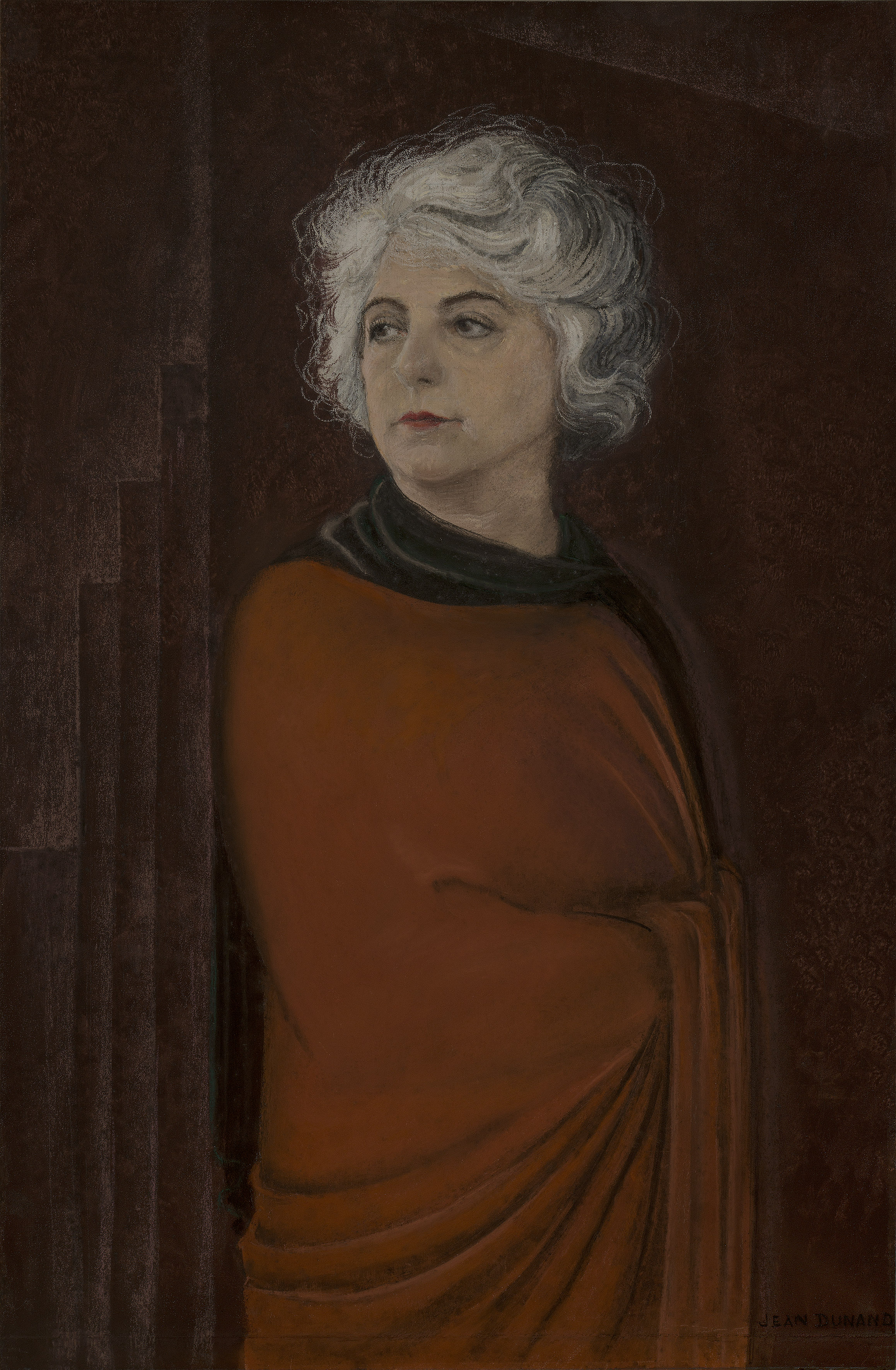
Madeleine Vionnet
The mathematician of cloth. The Burgundian seamstress who rotated the fabric forty-five degrees and discovered the body.
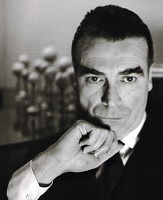
Cristóbal Balenciaga
The master. The Basque fisherman’s son who taught the postwar couture its structure, and whom Dior called "the couturier of us all."

Hubert de Givenchy
The Beauvais aristocrat who, at twenty-five, opened the simplest house in Paris — and dressed the twentieth century’s most photographed woman.

Pierre Cardin
The tailor’s son from Venice who dressed the 1960s in vinyl and geometry, and then sold his name to 800 products in 94 countries.
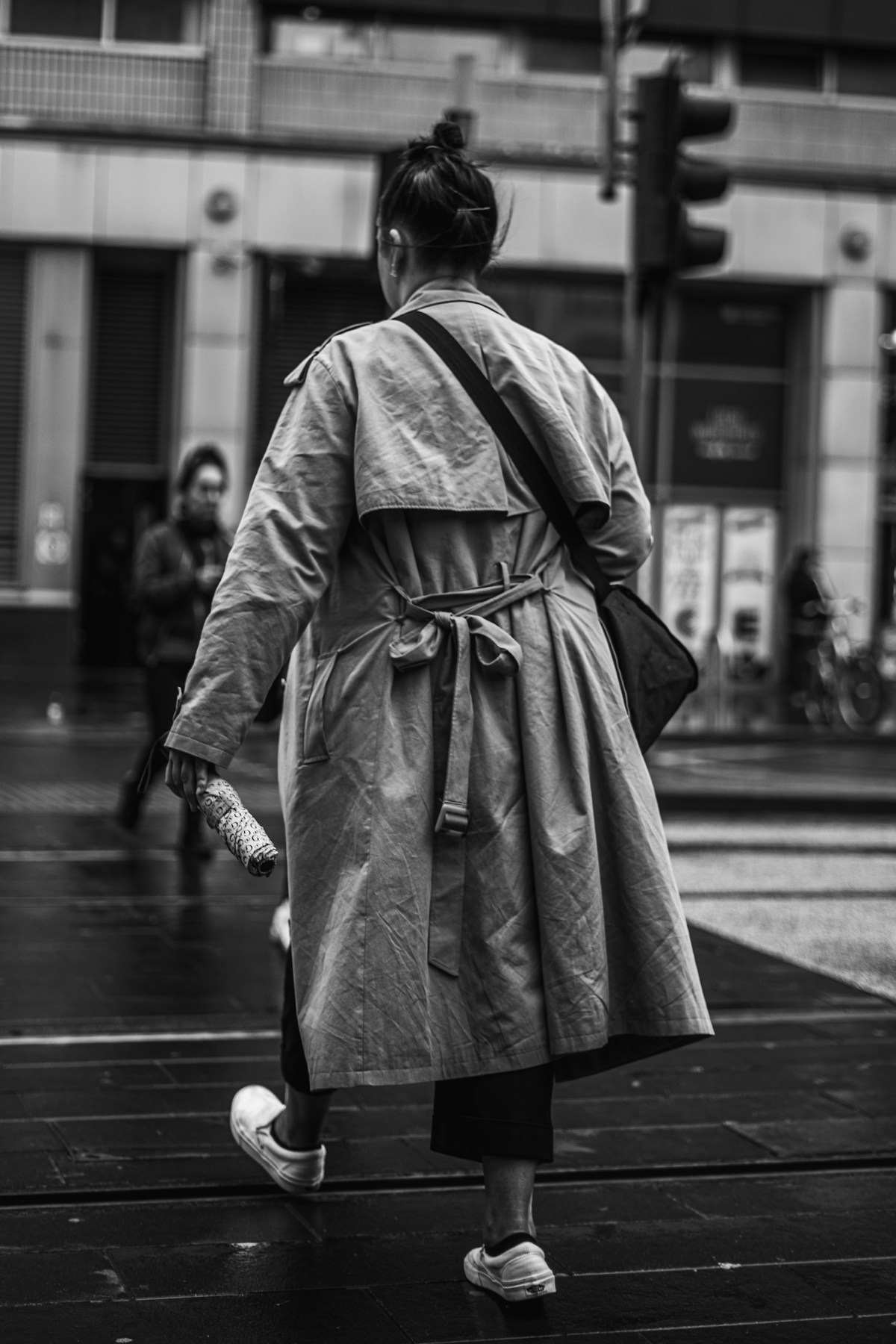
Rei Kawakubo
The Tokyo philosophy graduate who in 1982 walked into Paris with black, torn, asymmetric clothing — and rewrote the grammar of fashion.
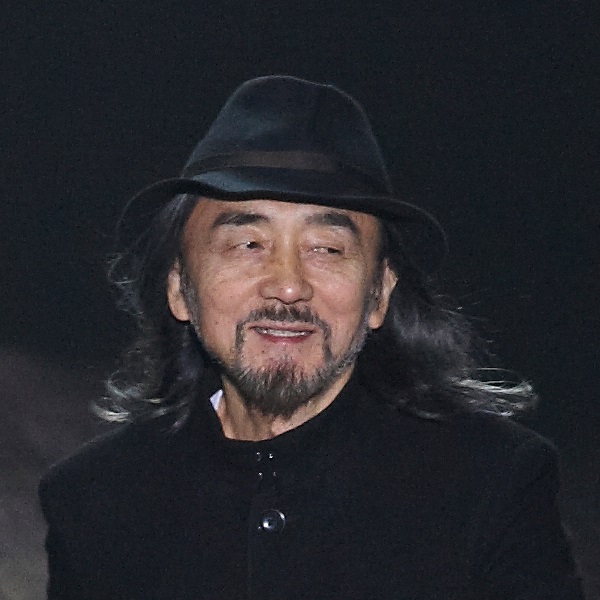
Yohji Yamamoto
The Tokyo tailor’s son who made black into a philosophy and turned oversized men’s tailoring into the standard grammar of European fashion.
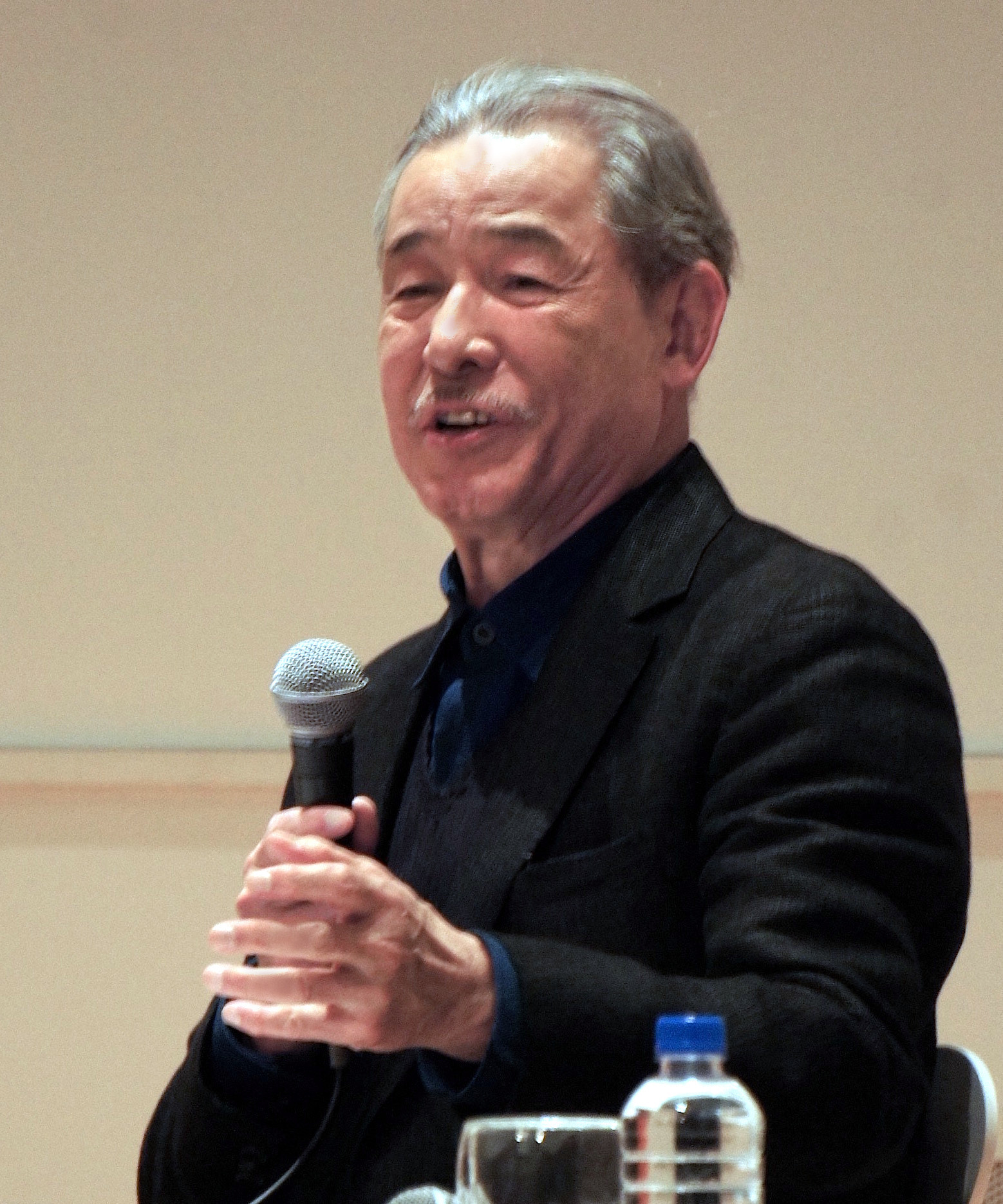
Issey Miyake
The Hiroshima survivor who treated clothing as an engineering problem, and designed the black mock-turtleneck Steve Jobs wore for thirteen years.

Martin Margiela
The Antwerp graduate who refused, for twenty years, to be photographed, and built a house in which anonymity was the premise.

Karl Lagerfeld
The Hamburg prodigy who ran two luxury houses for three decades apiece, produced fifteen collections a year, and died at the drawing board.
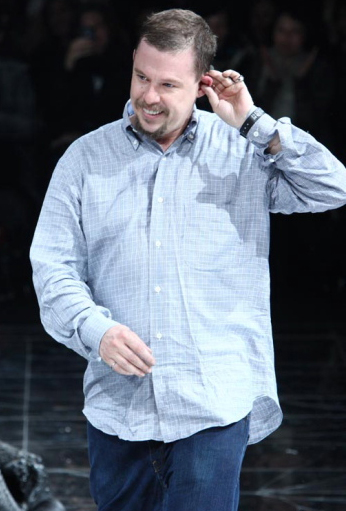
Alexander McQueen
The East End taxi driver’s son who apprenticed on Savile Row, and died at forty while running the most theatrical couture house in Paris.

Miuccia Prada
The Communist PhD from Milan who inherited a luggage shop, introduced nylon to luxury, and made ugliness the most valuable adjective in late-twentieth-century fashion.

Ritu Kumar
The Amritsar-born museologist who, in 1969, opened a boutique in Calcutta and began a fifty-year revival of Indian craft.

Sabyasachi Mukherjee
The Kolkata NIFT graduate whose Belgravia flagship opened in 2023 — and who has dressed, in between, the majority of India’s most-photographed brides.
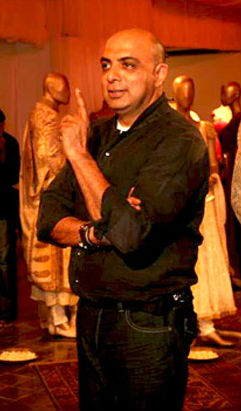
Tarun Tahiliani
The Wharton MBA who opened India’s first multi-designer boutique in 1987, and then engineered the couture sari as an aerodynamic object.

Rohit Bal
The Srinagar-born showman of Indian fashion, whose runway presentations — until his death in 2024 — were the closest thing Indian couture has had to performance art.

Rahul Mishra
The Malhausi-born son of a Uttar Pradesh farmer who, in January 2020, became the first Indian designer to show on the Paris haute couture calendar.
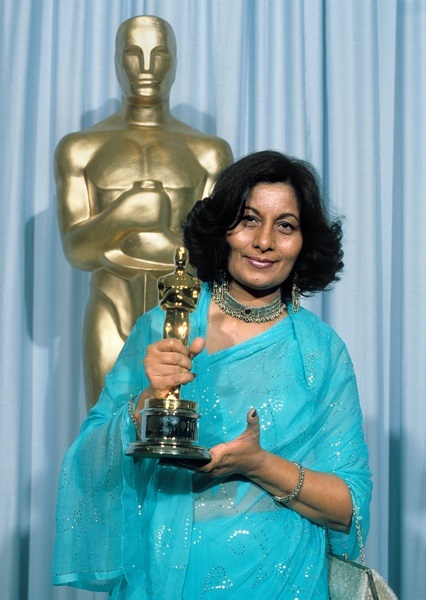
Bhanu Athaiya
The Kolhapur miniature-painter who, in 1983, became the first Indian to win an Academy Award, and who dressed four decades of Indian cinema.

Wendell Rodricks
The Bombay-born Goan minimalist who made resort-wear into a serious Indian category, wrote the defining book on Goan dress, and opened India’s only dedicated costume museum.

Mariano Fortuny y Madrazo
The Venetian polymath whose permanently pleated silk *Delphos* gown dressed Isadora Duncan and the Marchesa Casati — and whose pleating technique remains a patented secret.

Jeanne Lanvin
The milliner’s apprentice who founded, in 1889, the oldest continuously-operating French couture house — and dressed her daughter into the century’s most famous logo.

Jean Patou
The Norman tanner’s son who dressed the tennis player Suzanne Lenglen in pleated white and launched, in 1930, the most expensive perfume in the world.
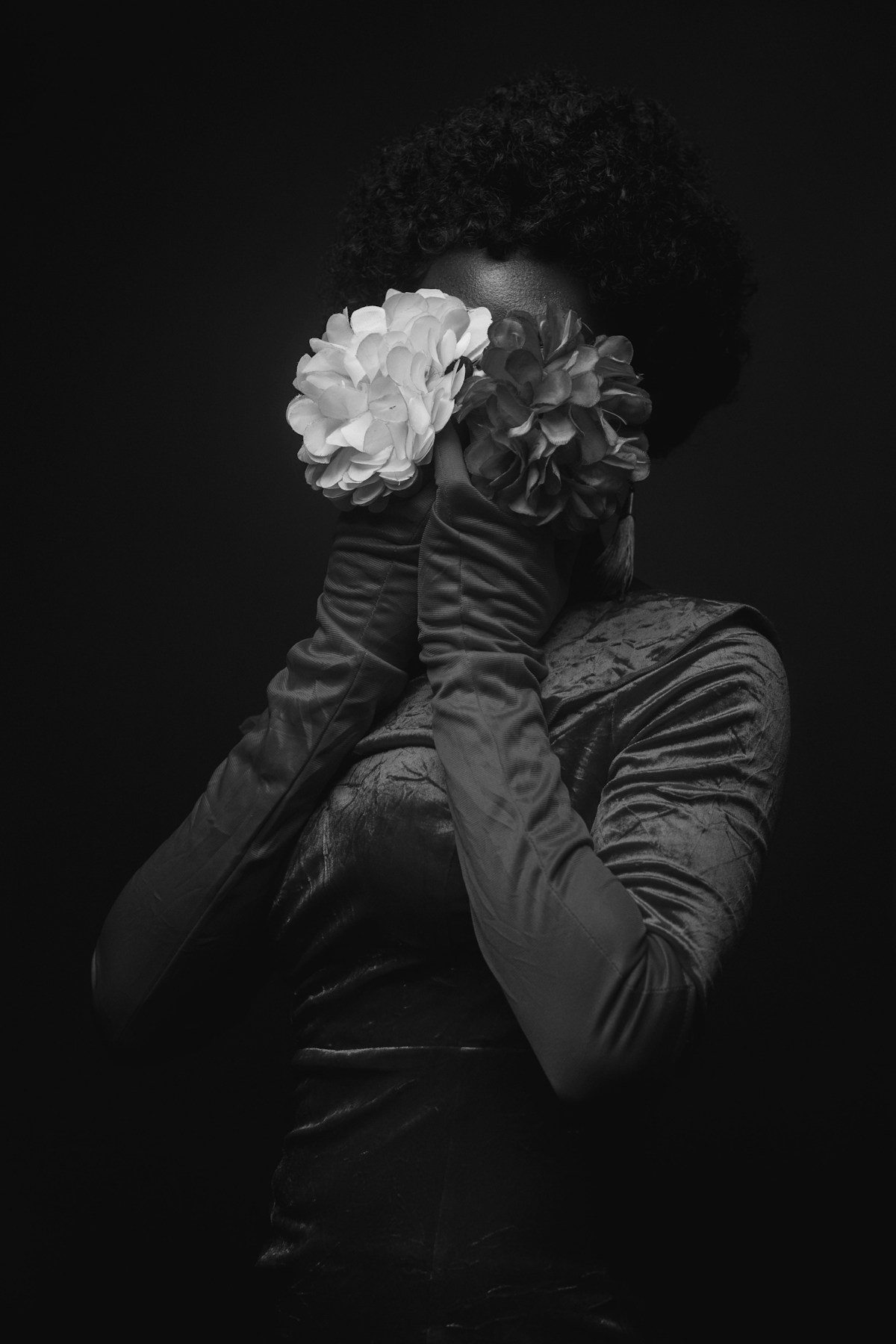
Mainbocher
The Chicago-born Vogue editor who became the first American couturier to open in Paris — and designed the most-photographed wedding dress of the twentieth century.
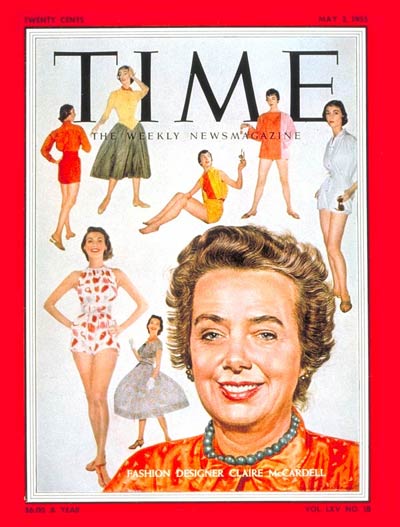
Claire McCardell
The Frederick, Maryland, designer who invented American sportswear — functional, affordable, mass-produced, and photographed on working women rather than society ladies.
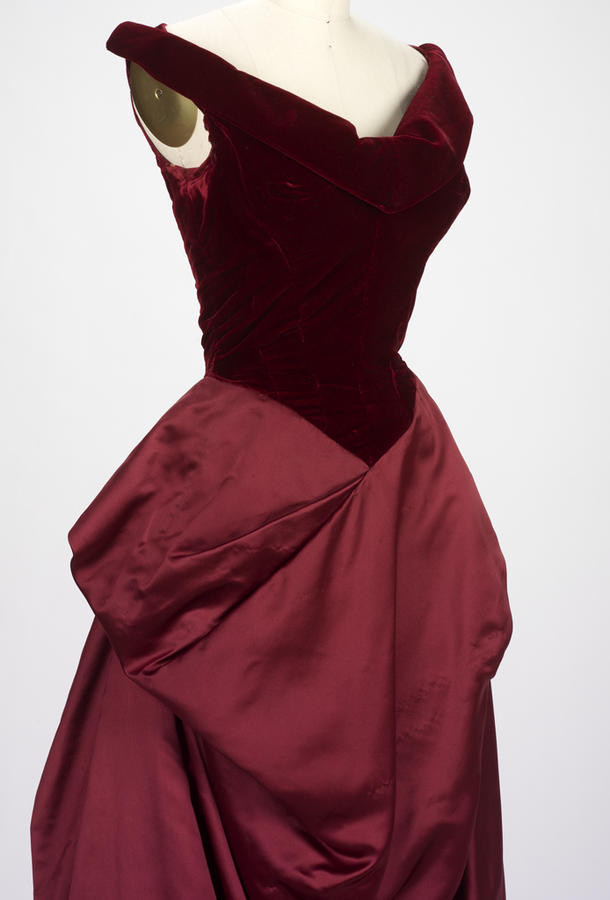
Charles James
The difficult genius who, from a suite at the Chelsea Hotel, engineered the most sculpturally ambitious ball gowns of the twentieth century — and went bankrupt three times.

Norman Norell
The Noblesville, Indiana, tailor who made Seventh Avenue produce couture-grade garments — and then, with the "Mermaid gown," turned the sequined sheath into American evening wear.

André Courrèges
The Pyrenean engineer who trained under Balenciaga, broke away in 1961, and in 1964 introduced a collection so aggressively modern that Paris, for a season, did not know what to do with it.

Emilio Pucci
The Florentine marquis who flew for the Italian air force, skied for the Olympics, and built a jet-set empire on printed silk jersey.
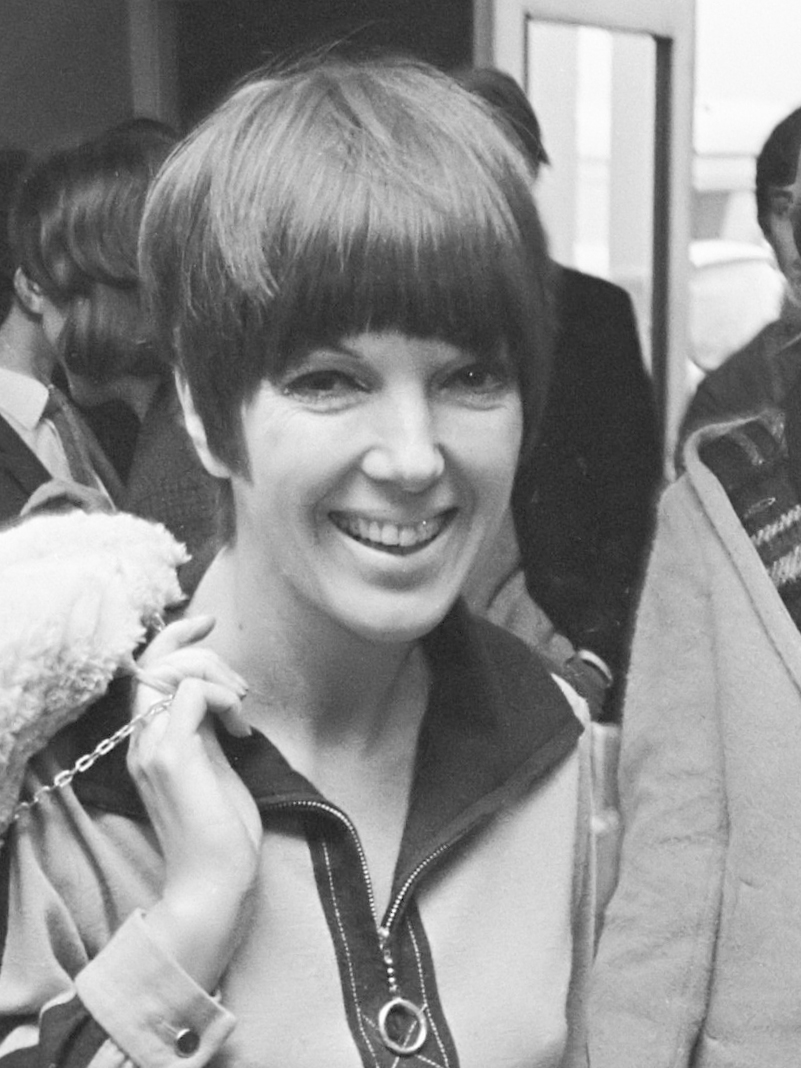
Dame Mary Quant
The Welsh art-school graduate who opened *Bazaar* on the King’s Road in 1955 and, over the next decade, dressed Swinging London in the miniskirt.

Halston
The Iowa-born milliner who designed Jackie Kennedy’s pillbox hat, built American luxury minimalism, presided over Studio 54, and lost his name in a disastrous licensing deal.

Ossie Clark
The Liverpool art-school graduate who dressed the Rolling Stones and the rest of bohemian London in bias-cut chiffon — and died, murdered, in a bedsit in Notting Hill.
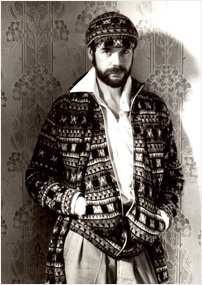
Bill Gibb
The Aberdeenshire farmer’s son who built the most romantically historical British couture of the 1970s, and whose shooting stars on Twiggy became a decade-defining image.

Helmut Lang
The Vienna self-taught tailor whose minimalist, deconstructed tailoring defined the 1990s silhouette — and who, in 2005, left fashion to become a sculptor.
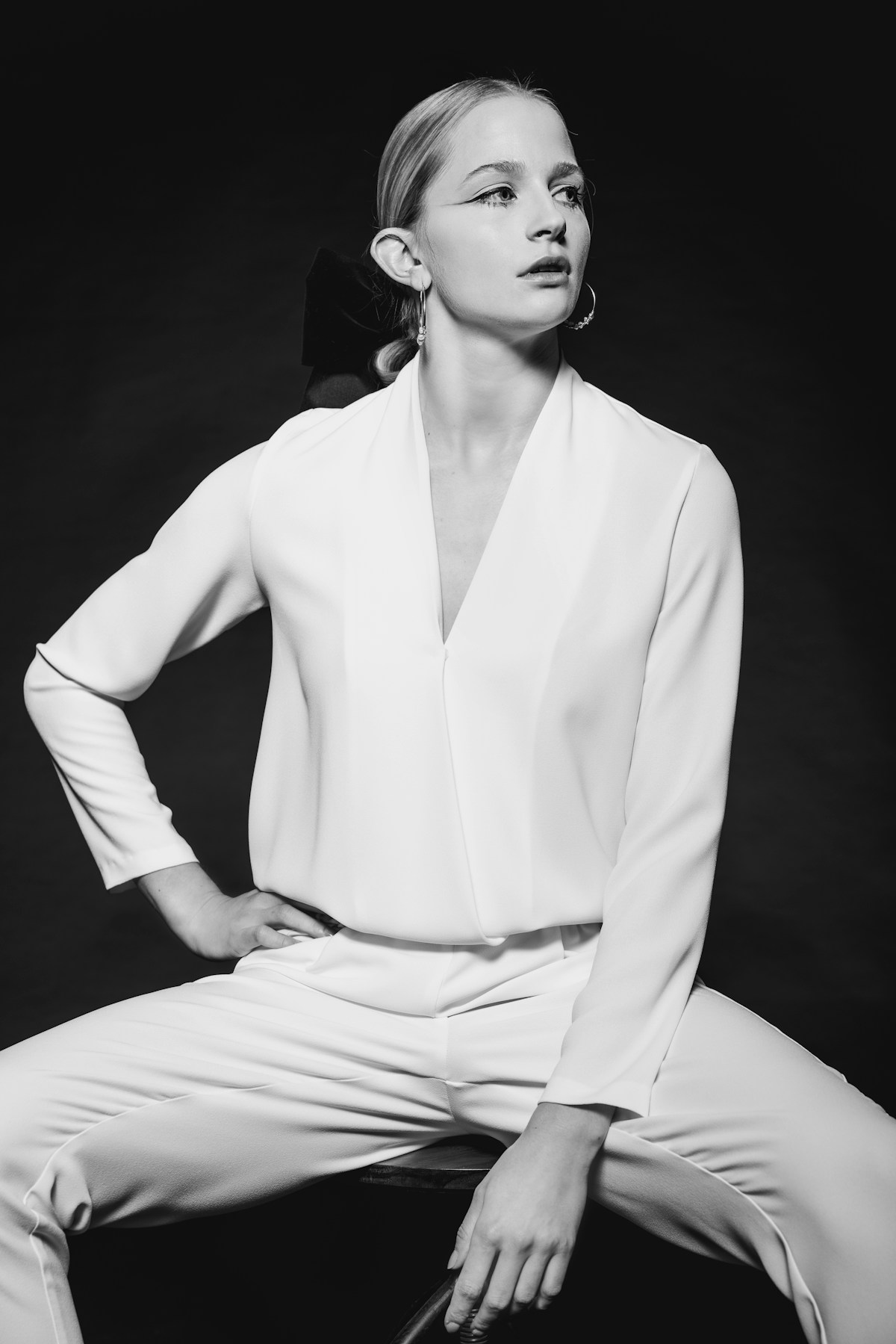
Ann Demeulemeester
The Kortrijk-born Antwerp Six graduate whose gothic romantic silhouettes dressed Patti Smith, and who built, in black and white, one of the most sustained fashion vocabularies of the past forty years.

Dries Van Noten
The Antwerp tailor’s grandson who has, for forty years, held the commercial argument for colour, print, and decorative excess in a minimalist industry.

Walter Van Beirendonck
The Antwerp Six member who chose colour, sex, and cartoon when his classmates chose black — and who has, for forty years, held the most deliberately provocative independent menswear label in Europe.

Hussein Chalayan
The London graduate who buried his first collection in a garden for three months, and for twenty years has treated the runway as a philosophy department.
Viktor & Rolf
The Arnhem-trained duo who spent the first five years of their career showing unsellable couture as art, and then built, on that foundation, a commercially serious perfume and bridal empire.
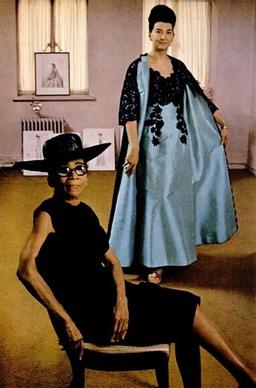
Ann Lowe
The Alabama-born Black couturier who made Jackie Kennedy’s 1953 wedding dress — and whom the First Lady, for decades, declined to credit by name.
Zelda Wynn Valdes
The Chambersburg-born Black designer who dressed Ella Fitzgerald, Dorothy Dandridge, and Josephine Baker — and, in 1960, designed the original Playboy Bunny costume.
Patrick Kelly
The Vicksburg, Mississippi, designer who arrived in Paris with one suitcase and became, in 1988, the first American and first Black designer voted into the French couture federation.

Willi Smith
The Philadelphia designer who invented “streetwear” — the word and the category — a decade before Stussy, and ran the most successful Black-owned American fashion label of the 1980s.
Stephen Burrows
The Newark-born designer who invented the lettuce hem, represented the United States at the Battle of Versailles in 1973, and brought colour saturation to American jersey.

Hanae Mori
The Shimane-born designer who became, in 1977, the first Asian couturier admitted to the Paris Chambre Syndicale de la Haute Couture.

Kenzo Takada
The Hyōgo-born designer who bought a one-way ticket to Paris in 1965 and, five years later, became the first Japanese couturier to show there — in a shop named Jungle Jap.

Yeohlee Teng
The Penang-born, New York-based designer whose pattern-cutting approach eliminates fabric waste — and whose minimalist uniforms are held by MoMA.
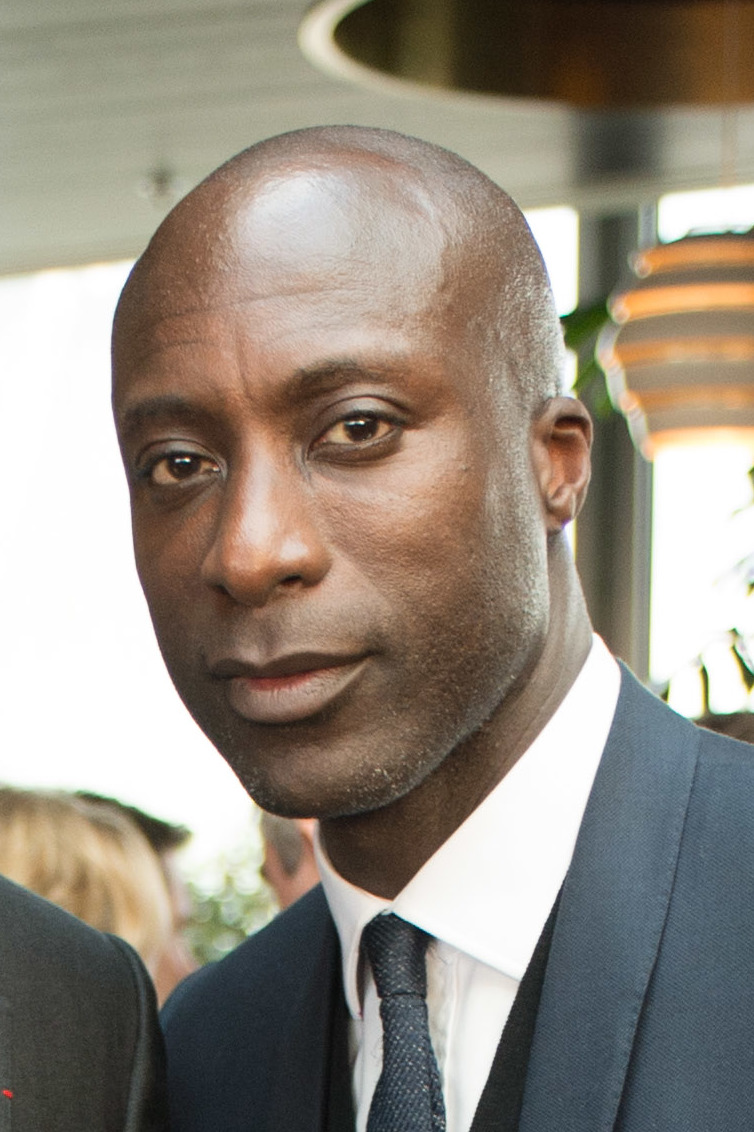
Ozwald Boateng
The North London Ghanaian who opened on Savile Row at twenty-eight — the street’s first Black master tailor — and reintroduced saturated colour to a century of navy and grey.
Duro Olowu
The Lagos-born, London-based designer whose print-on-print dresses became the defining silhouette of Michelle Obama’s first-term wardrobe — and whose curatorial work has repositioned African aesthetics in museum practice.

Norma Kamali
The Manhattan-born designer who made a sleeping bag into a coat, gave Farrah Fawcett her red swimsuit, and — at seventy-nine — still operates her Midtown boutique personally.

Phoebe Philo
The Parisian-born London designer whose 2008–2017 Céline is cited by a generation as the wardrobe that defined a decade — and whose 2023 self-titled debut was the most-anticipated launch in recent memory.

Nicolas Ghesquière
The Loudun-born designer who took over a nearly-closed Balenciaga at twenty-six, rebuilt it in fifteen years, and has run Louis Vuitton womenswear since 2013.

Demna Gvasalia
The Sukhumi-born refugee who co-founded Vetements and, at thirty-four, took over Balenciaga. He moves to Gucci in 2026.
Raf Simons
The Belgian furniture designer-turned-menswear auteur who has run Jil Sander, Dior, Calvin Klein, and now Prada.

Jonathan Anderson
The Magherafelt-born designer who, over eleven years, rebuilt Loewe as the most culturally coherent luxury-craft house in Europe — and took over Dior in 2025.

Daniel Lee
The Bradford-born designer who produced at Bottega Veneta from 2018 to 2021 the most viral luxury silhouettes of the late 2010s — and now runs Burberry.

Pierpaolo Piccioli
The designer who took sole creative direction of Valentino in 2016 and produced, over eight years, the most romantically serious couture on the Paris calendar.

Stella McCartney
The London designer who refuses to use animal products and has, for twenty-three years, built a globally-distributed luxury house on that refusal.

Grace Wales Bonner
The London designer whose Afro-European menswear label is producing the most intellectually coherent contemporary investigation of Black diasporic masculinity in dress.
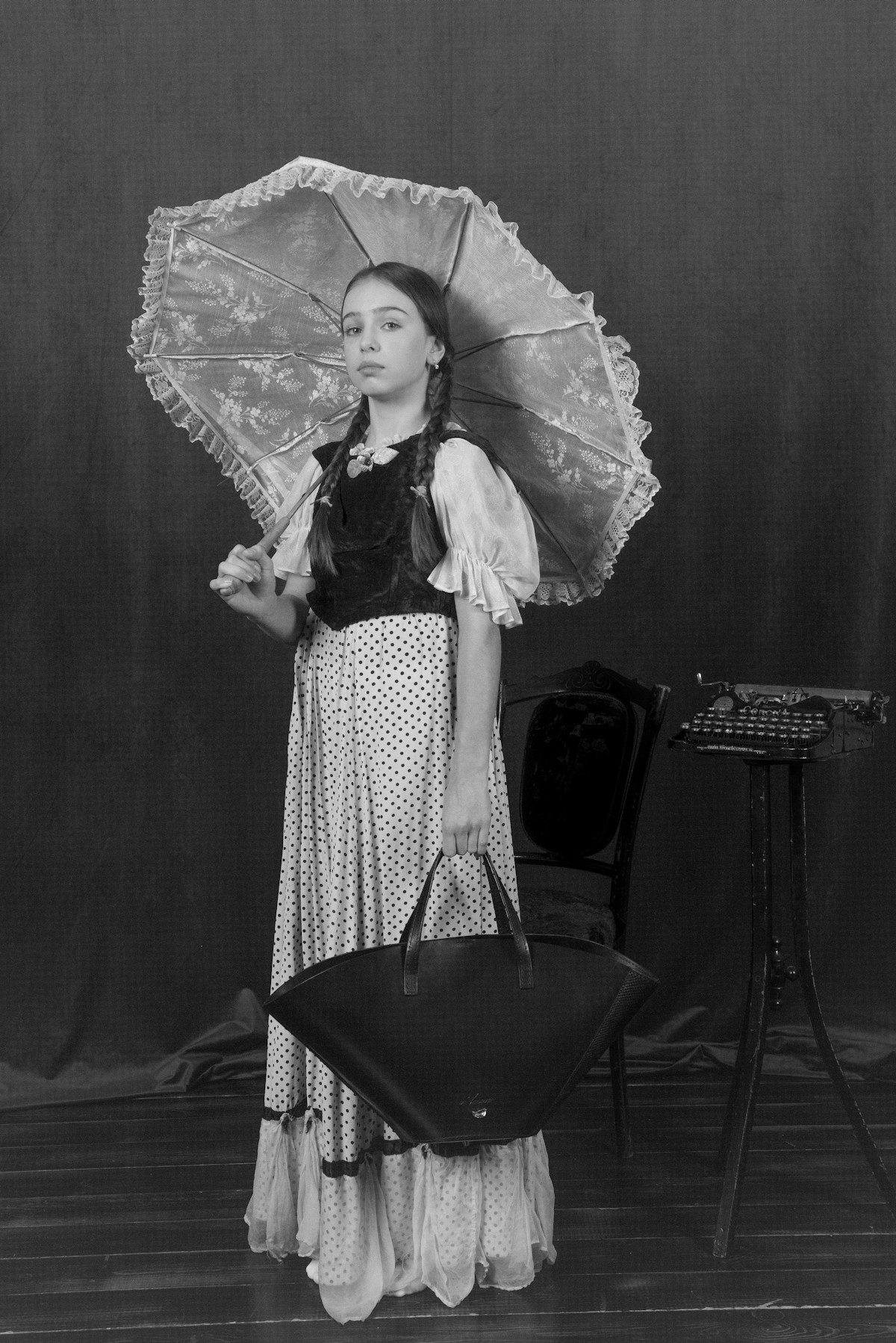
Telfar Clemens
The Queens-born Liberian designer whose shopping bag — the "Bushwick Birkin" — has redefined accessible luxury.

Simone Rocha
The Dublin-born daughter of John Rocha whose feminine-gothic couture has, in twelve years, become a defining London vocabulary.

Molly Goddard
The Ladbroke Grove designer whose hand-smocked tulle dresses — worn by Villanelle in the second season of *Killing Eve* — became the defining youthful-romantic silhouette of the late 2010s.

Riccardo Tisci
The designer who merged couture with Rottweiler-print streetwear at Givenchy and made the house, for twelve years, the most culturally central couture label of the 2010s.

Sarah Burton
The Manchester-born designer who succeeded Alexander McQueen after his 2010 death and sustained the house’s identity for thirteen years better than any widow-designer succession has before.
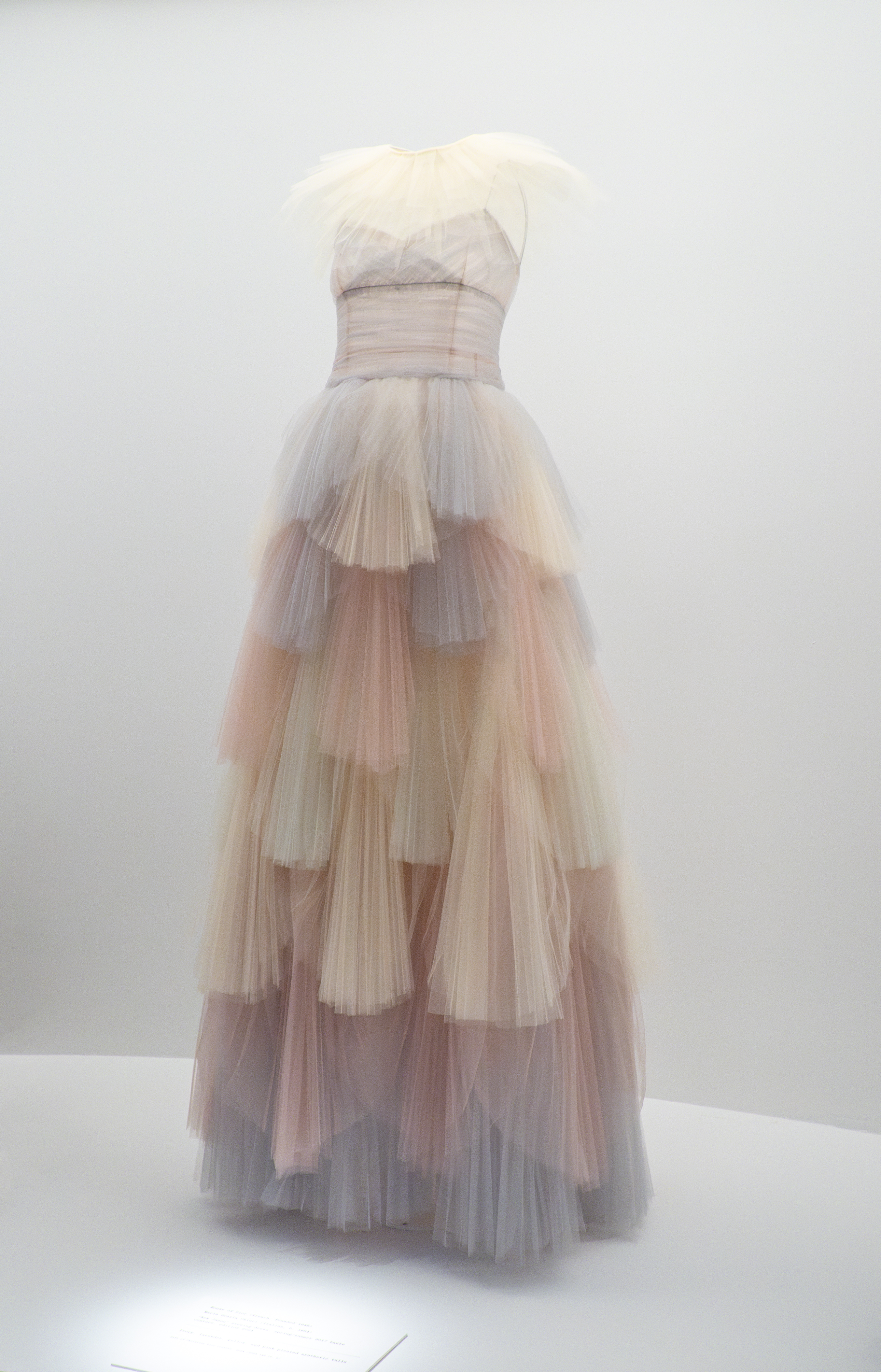
Maria Grazia Chiuri
The Roman designer who, in July 2016, became the first woman to lead Dior — and spent eight years using the house’s platform for overtly feminist couture.

Anamika Khanna
The Jaipur-born Kolkata designer who, in 2007, became the first Indian designer to show at Paris Couture Week.

Manish Malhotra
The Mumbai designer who has costumed more than a thousand Bollywood films since 1990 — and, in 2023, took the Bollywood vocabulary to Paris Couture Week.

Aneeth Arora
The Udaipur-born designer whose Péro label has, since 2009, become the definitive Indian slow-fashion practice.

Gaurav Gupta
The Delhi-born CSM graduate whose sculpturally draped couture gowns — worn by Beyoncé, Priyanka Chopra, Lizzo — joined the Paris Couture Week calendar in 2023.
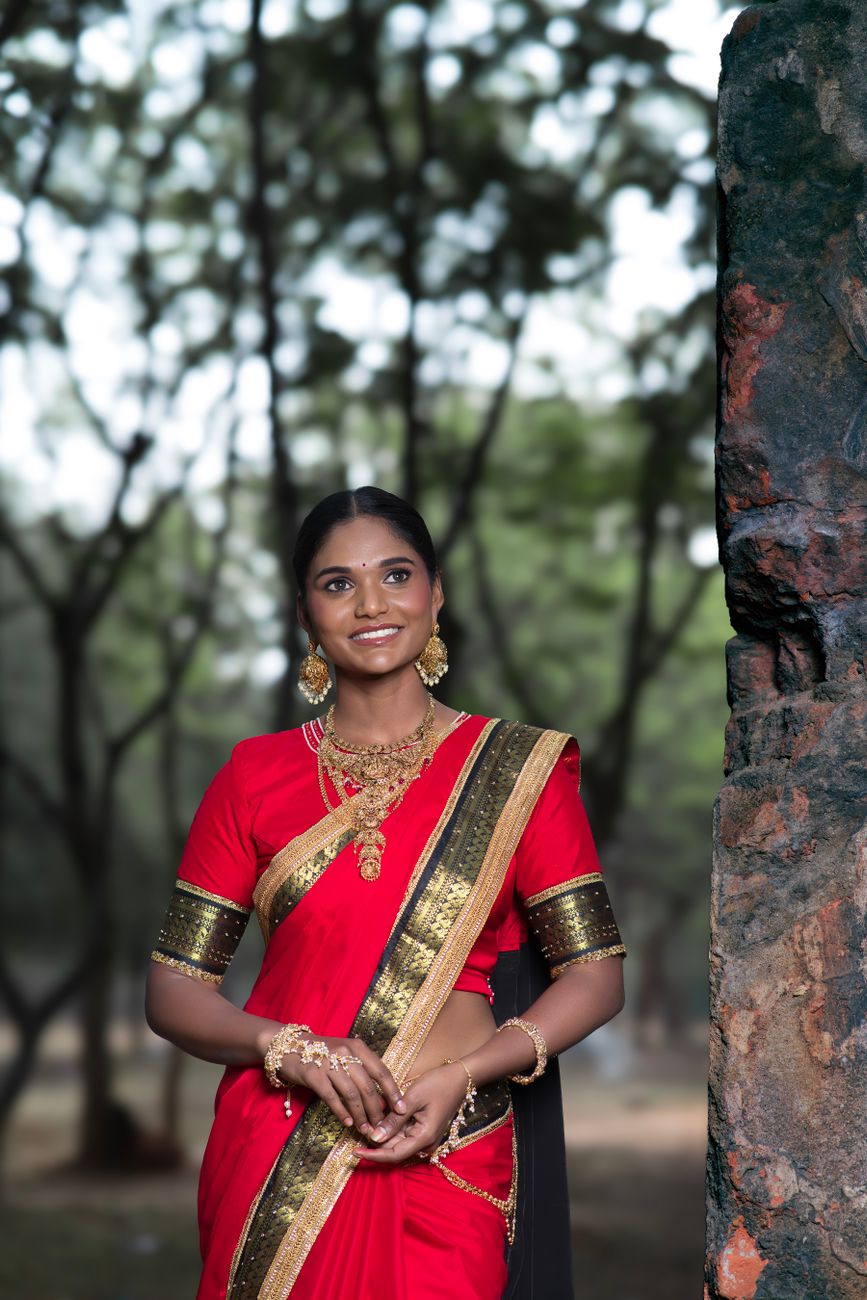
Priya Ahluwalia
The London-born Indian-Nigerian designer whose eponymous label reconstructs garments from vintage archives — and whose 2019 photo-book *Sweet Lassi* remains a reference for contemporary Indian menswear scholarship.