Le Smoking: Yves Saint Laurent Dresses Women in Tuxedos
In August of 1966, an evening tuxedo appeared on a Paris runway. The model was a woman. The century shifted, quietly, on its heel.

1950s New Look era, MCMXLVII–MCMLIX
The photograph, by Helmut Newton, was published in French Vogue in 1975. It shows a woman in a tuxedo, in a narrow Paris street at night, lighting a cigarette. Her companion, in the second frame, is nude. The image is not, strictly, what made Le Smoking famous — but it is what made Le Smoking inevitable.
Yves Saint Laurent had shown the first Le Smoking in August of 1966, as part of his autumn couture collection. It was black wool, satin-lapelled, worn with a pussy-bow blouse. No restaurant in Paris, at the time, would seat a woman in trousers. Within the decade, the garment was a uniform.
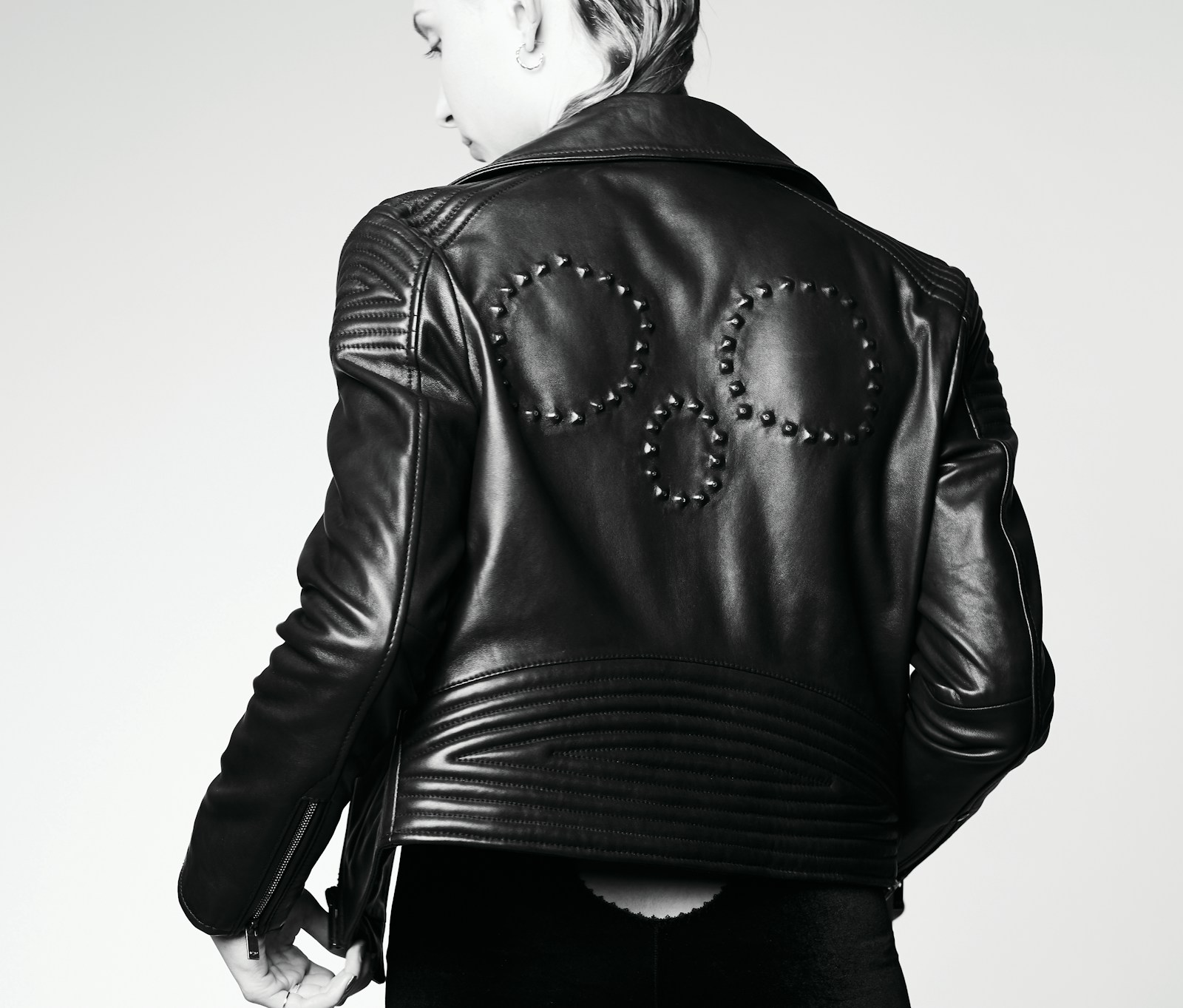
The Argument, Made in Tailoring
I designed for women with lives. I did not design for women to stand in doorways. — Yves Saint Laurent, 1983
The argument Saint Laurent made was not a political one, or not explicitly. It was a tailoring argument: that the formal vocabulary of menswear — the tuxedo, the pea coat, the safari jacket, the trench — was simply good clothing, and the right of women to wear it was the right of women to own their own wardrobes.
What he understood, and what the ban at Maxim's confirmed, was that good clothing is never only that.
Afterlives
Every black suit a woman has worn to a board meeting since is a descendant of Le Smoking. So, too, is every pantsuit sent down a runway as a gesture. It is difficult, looking at contemporary tailoring, to identify a single silhouette that does not owe the YSL atelier something.
Saint Laurent himself remained, until his death in 2008, wary of being called a feminist. "I was a couturier," he said in 2002. "I made clothes for the women who wore them." That those clothes made an argument regardless is, perhaps, the most persuasive recommendation a garment can have.

Ivo Marchetti
Writer and dress historian. Ivo contributes regularly on menswear, subculture, and the economics of style.
Related Dispatches
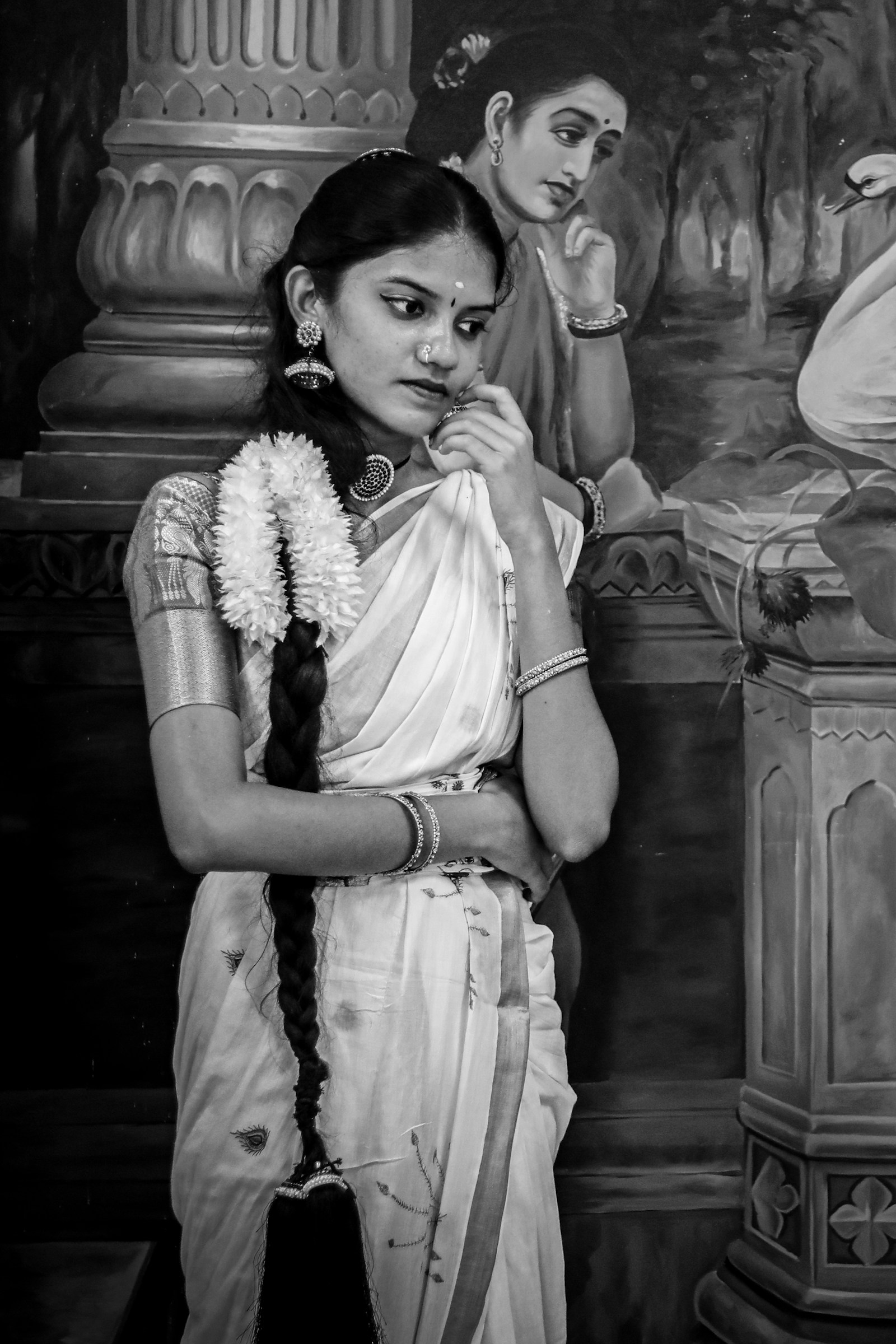
The Sari Across Centuries
Six yards of unstitched cloth, worn continuously on the subcontinent for three millennia. A history of the longest-lived garment in the world.
Punk and Vivienne Westwood's SEX
At 430 King’s Road, in the years 1974 to 1976, a boutique began selling bondage trousers and the end of the 1970s. Neither arrived quietly.
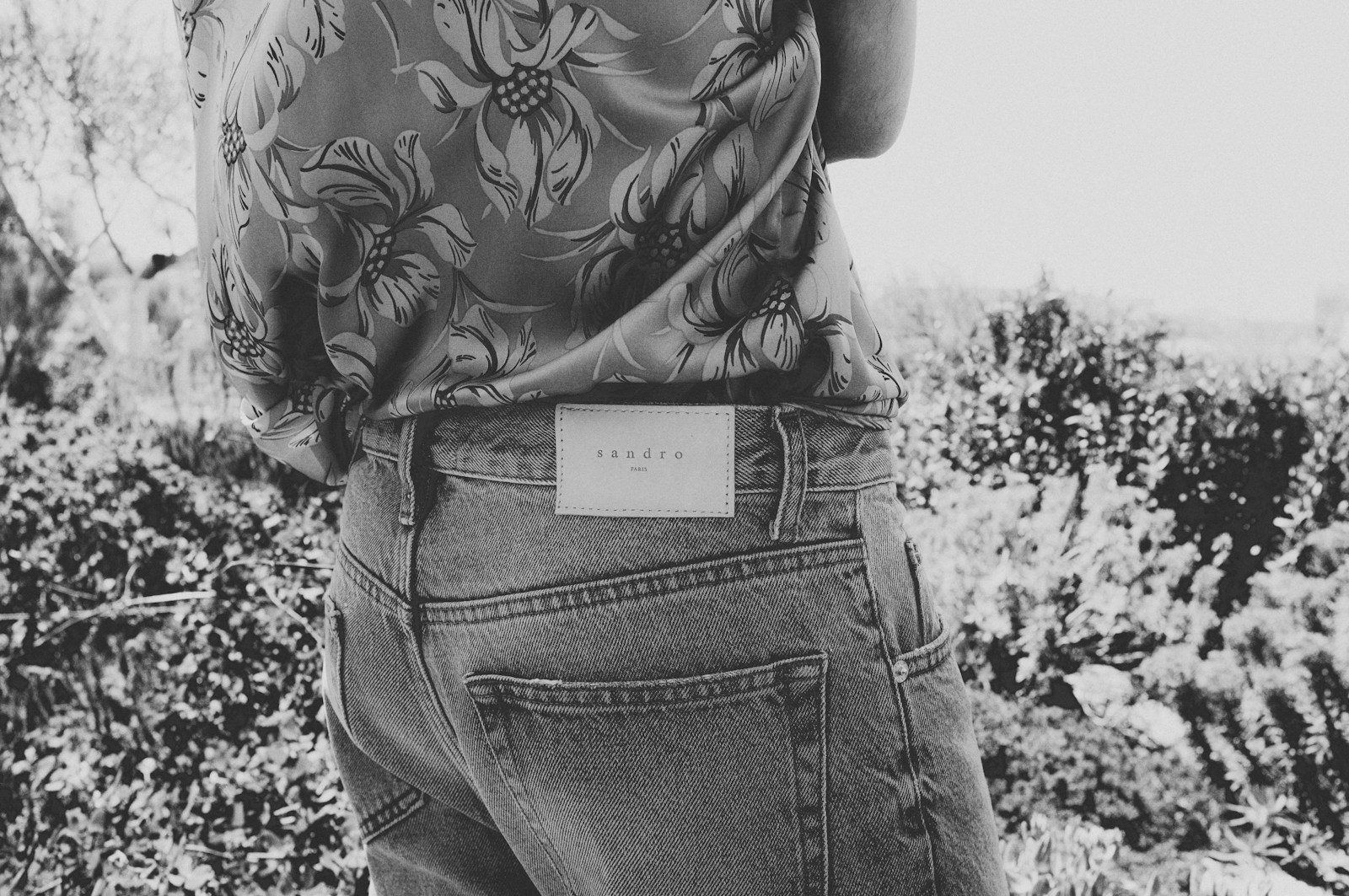
The Birth of Denim: From Workwear to Wardrobe
A single-indigo twill, first woven for dockworkers in Genoa, crossed the Atlantic and rode out with the miners. A hundred and fifty years later, it is the closest thing humanity has to a common uniform.
Readers’ Letters
Submissions are moderated, as in any decent publication.
No letters received yet. Yours may be the first.