Christian Dior's New Look: Femininity Reimagined
February 12, 1947. A gallery on the Avenue Montaigne. A wasp waist, a calf-length skirt, and a continent of rationed fabric—undone in a single collection.
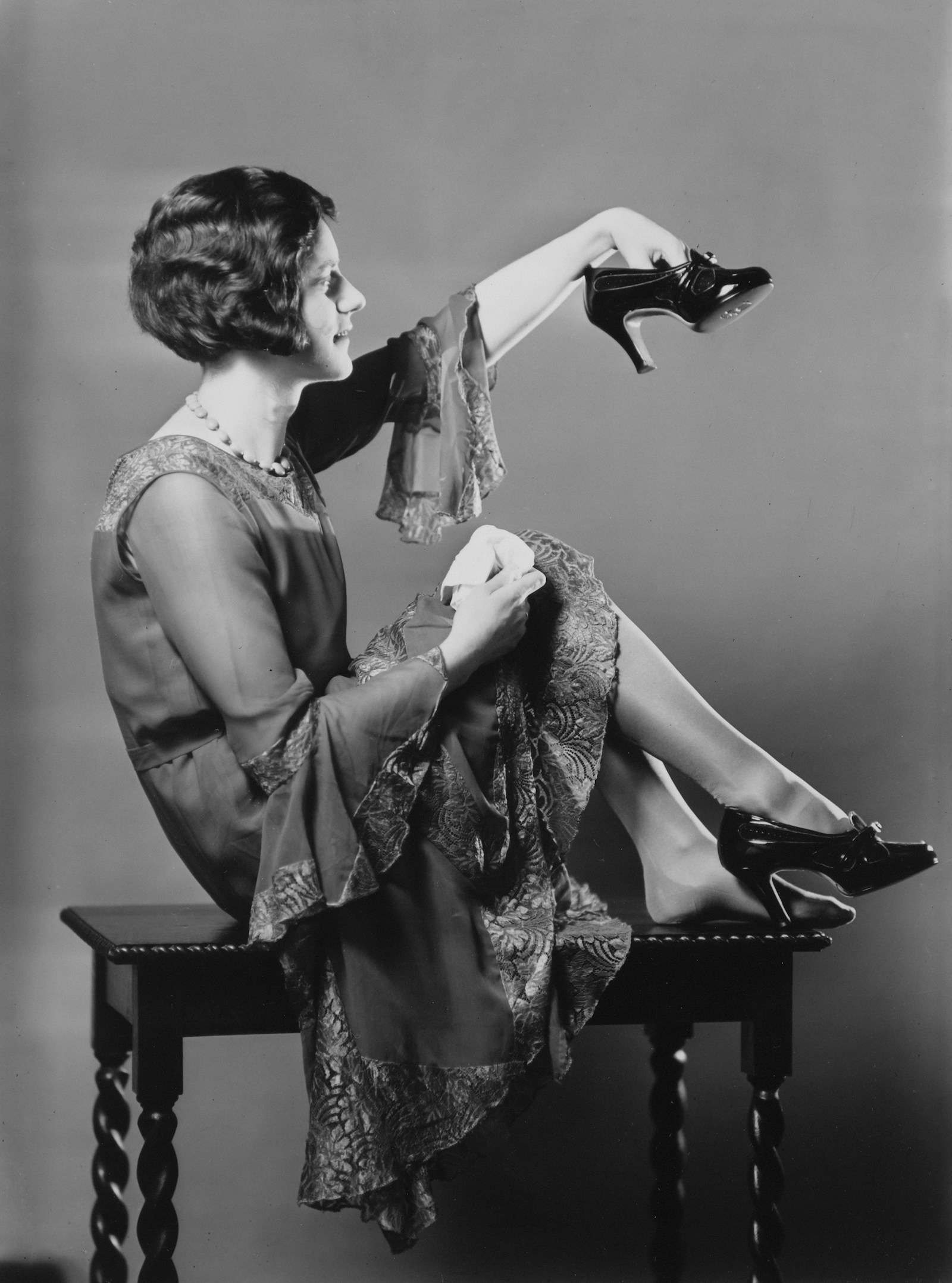
1950s New Look era, MCMXLVII–MCMLIX
The models came out, one after another, in skirts so full they swept the furniture. Carmel Snow, editor of Harper’s Bazaar, leaned to her neighbour. "It's a revolution, dear Christian," she said. "Your dresses have such a new look." The phrase stuck; the collection outlived the century.
Dior’s Corolle line—the official name, from the French for a flower’s crown of petals—was an engineered rebuke to the austerity of the war years. The shoulders were soft, the bust rounded, the waist nipped to eighteen inches with an internal corselette, the skirt a calf-length bell consuming up to twenty metres of fabric. To women who had spent five years in ration-cut shirtwaists, it was less a dress than an amnesty.
The Argument Over Fabric
In London, where rationing still clipped the hem of every skirt, the New Look was received as a provocation. The Board of Trade issued statements; housewives in Manchester picketed; photographs of women in pre-war short skirts were placed next to Dior’s billowing silhouettes in headlines that asked, more or less, what the British woman was supposed to do now. Paris shrugged. In America, Dior landed on the cover of Life within six months.
I designed flower-like women, with rounded shoulders, full feminine busts, and hand-span waists above enormous spreading skirts.
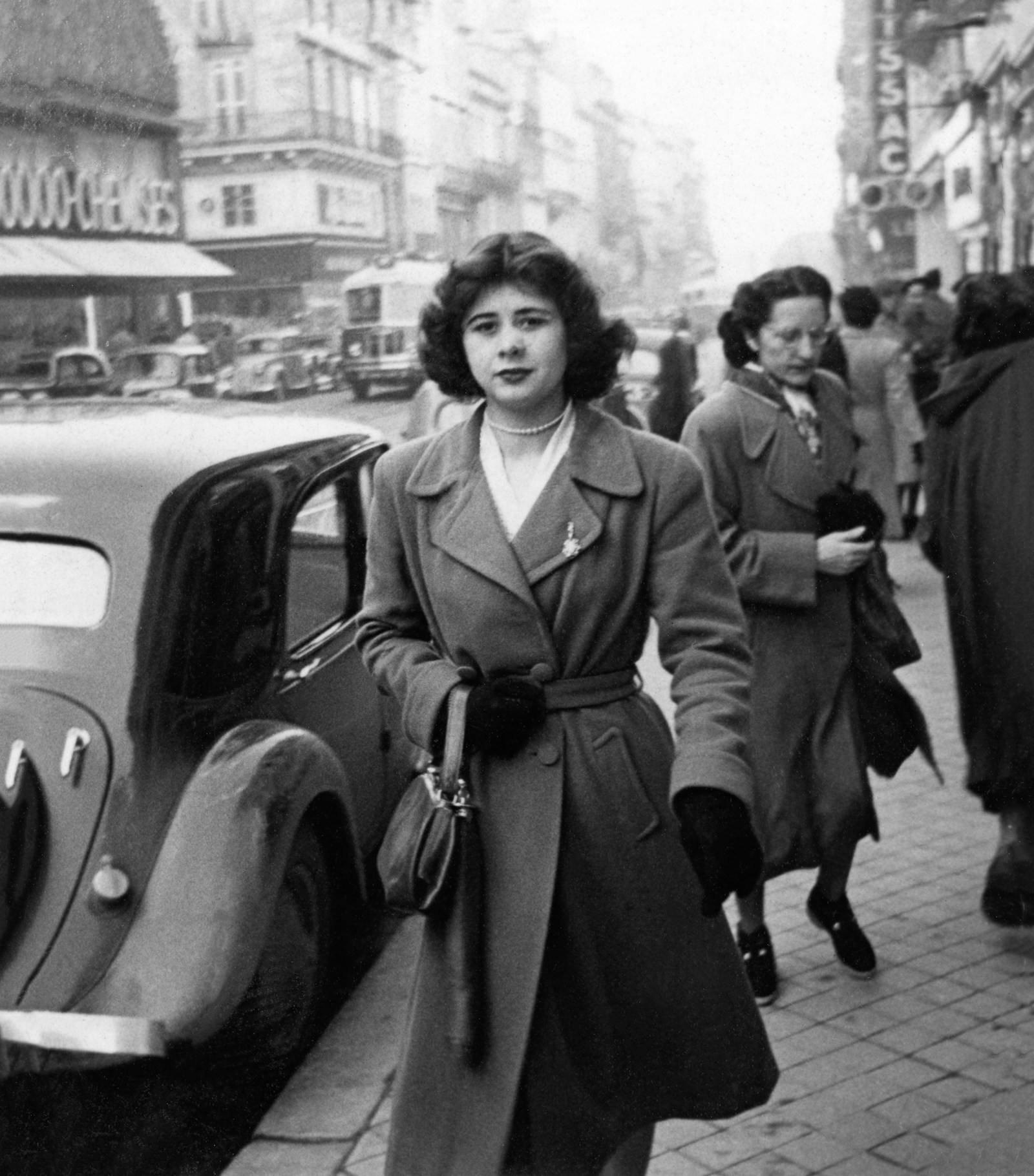
A Reimagined Body
The New Look was not a return to the Victorian corset, though its critics said so. It was an industrialised ideal of the feminine, stitched in a moment when the postwar order was being negotiated in every capital. Dior sold an image: of plenty, of polish, of a woman who did not answer her own door. The image was bought, globally, within a season.
Dior himself lived ten more years after that February morning. He died in 1957, of a heart attack, in the spa town of Montecatini. He left the House to a twenty-one-year-old assistant named Yves Saint Laurent, and with him, the argument he had started in 1947 passed to a second generation—where it continues, annually, in chiffon and in taffeta, to the present day.
Anaya Deshmukh
Fashion historian and essayist based in Delhi. Former curator at the Museum of Costume, her work traces the social lives of garments across two centuries.
Related Dispatches
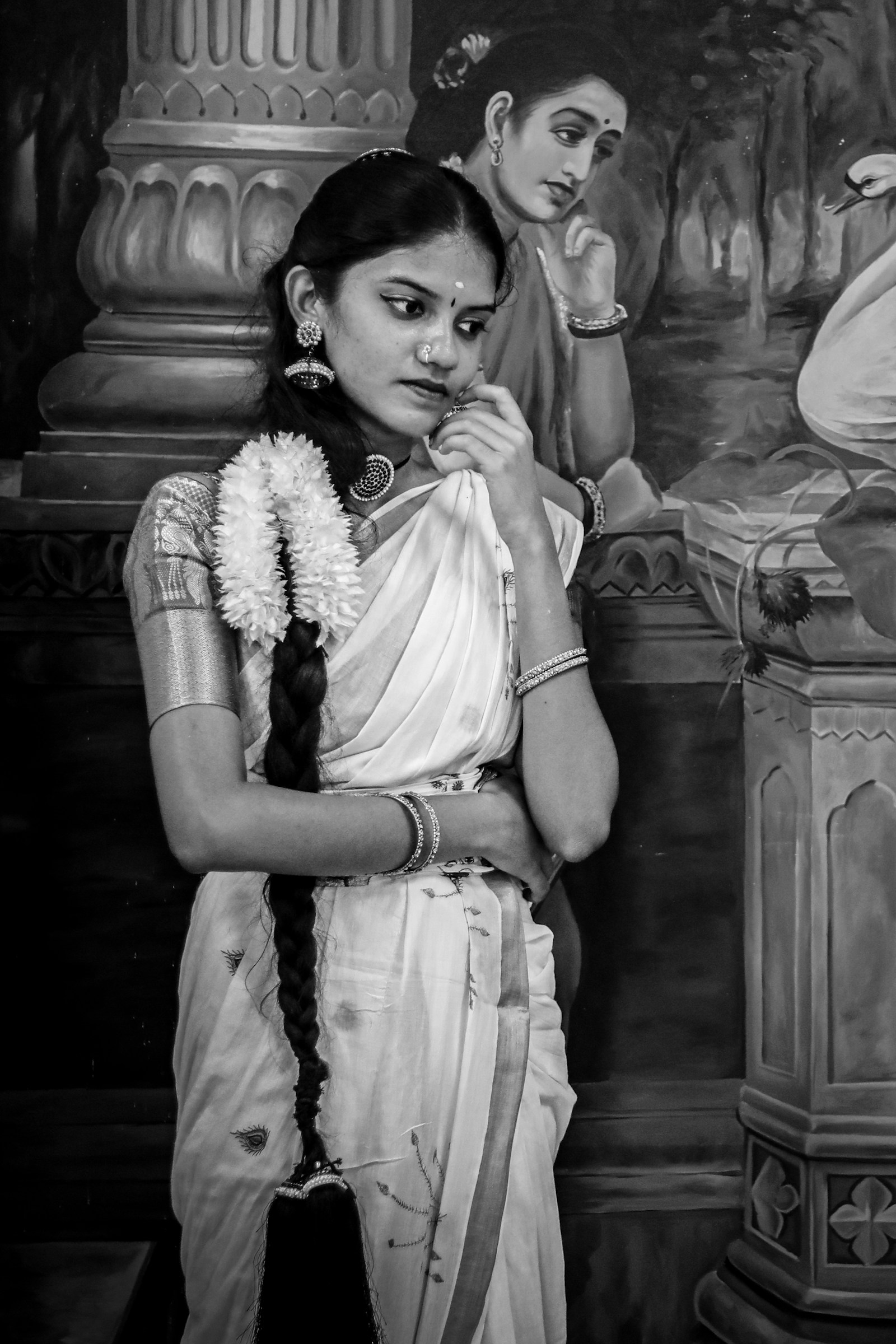
The Sari Across Centuries
Six yards of unstitched cloth, worn continuously on the subcontinent for three millennia. A history of the longest-lived garment in the world.
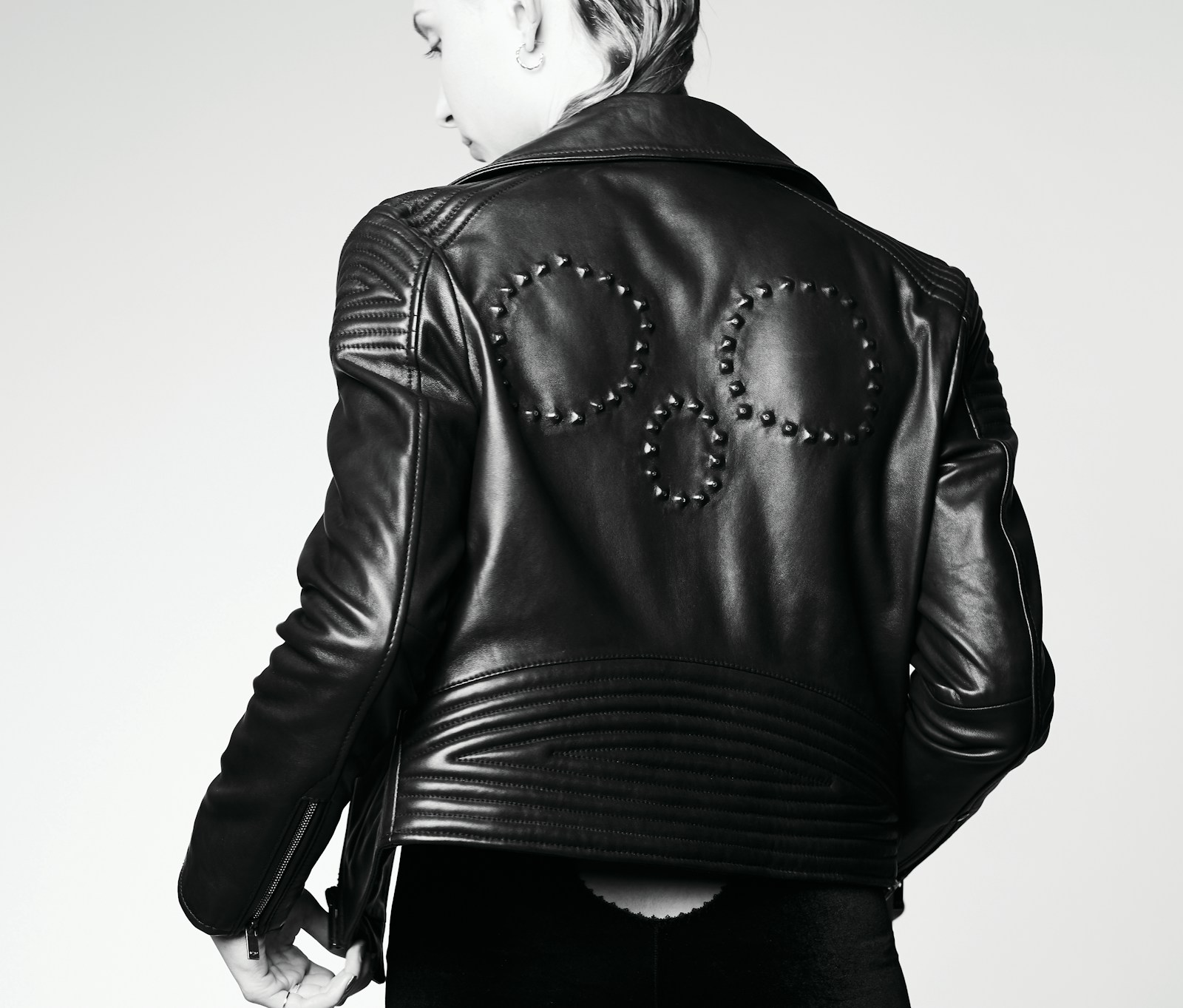
Punk and Vivienne Westwood's SEX
At 430 King’s Road, in the years 1974 to 1976, a boutique began selling bondage trousers and the end of the 1970s. Neither arrived quietly.
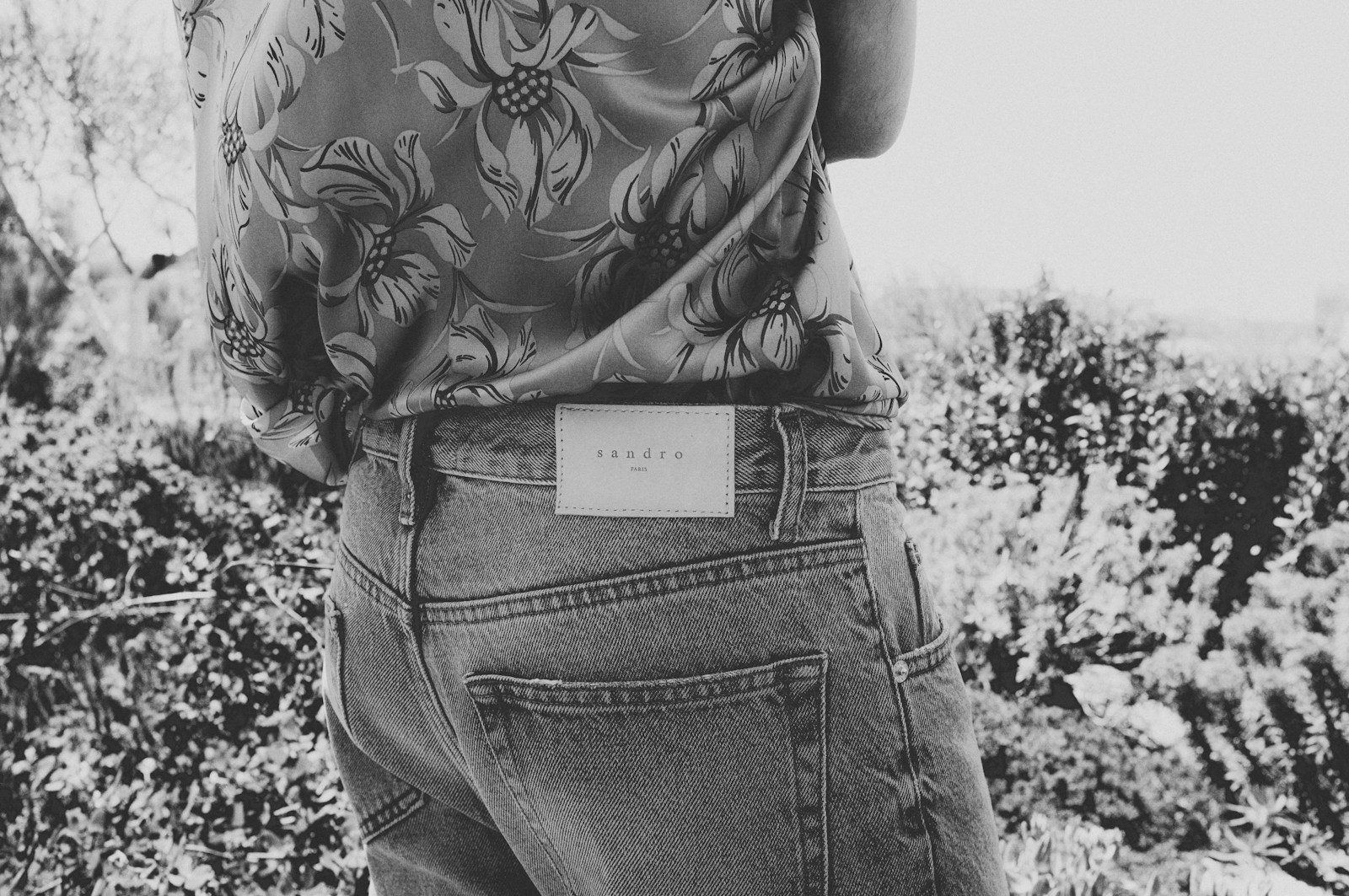
The Birth of Denim: From Workwear to Wardrobe
A single-indigo twill, first woven for dockworkers in Genoa, crossed the Atlantic and rode out with the miners. A hundred and fifty years later, it is the closest thing humanity has to a common uniform.
Readers’ Letters
Submissions are moderated, as in any decent publication.
No letters received yet. Yours may be the first.